
From Process to Progress: How the CGL Committee is Shaping the Future of Leadership Development

Why This Project
The Credentialed Government Leader (CGL) Program is a self-directed career development program offered through a collaboration between MMANC, MMASC, and ICMA.
CGL is designed to build the management and leadership skills of analysts, mid-managers, and others preparing for the next step in their public service journey. Through coursework and coaching, the program helps participants develop the foundational tools, experiences, and connections they need to grow as leaders. A volunteer committee runs the program from MMANC, MMASC, and ICMA, many of whom were or are currently enrolled in the CGL program.
Recognizing CGL’s importance, MMANC and MMASC partnered with Partners in Public Innovation (PPI) to strengthen the program’s structure, experience, and long-term sustainability.
This effort also directly advanced strategic priorities across all three organizations:
MMANC Strategic Plan Goal 3: Strengthen the skills of local government professionals at all levels through MMANC programs and partnerships.
MMASC 2025 Executive Board Work Plan: President Royas and the Board prioritized improving participation and access to CGL.
ICMA Strategic Plan: CGL aligns with ICMA’s priorities of Learning Community and Thought Leadership Resource Network.
The Challenge
Despite its strong purpose and impact, CGL faced two persistent challenges:
Unclear workflows and roles
Responsibilities shifted from year to year, creating confusion and burnout.
Handoffs between committee terms weren’t consistent, so institutional knowledge was often lost.
Low completion rates
Post-COVID, participants were struggling to stay on track without consistent support.
Internal systems for tracking progress made it hard to see who was where in the process.
To secure CGL’s future, the team realized this wasn’t just about fixing paperwork. They needed to redesign both the participant support model and the internal operating framework that keeps the program running smoothly.
How We Tackled It
We started by listening. PPI conducted interviews with current and past participants, CGL committee members, MMANC and MMASC presidents, and the ARC program administrator.
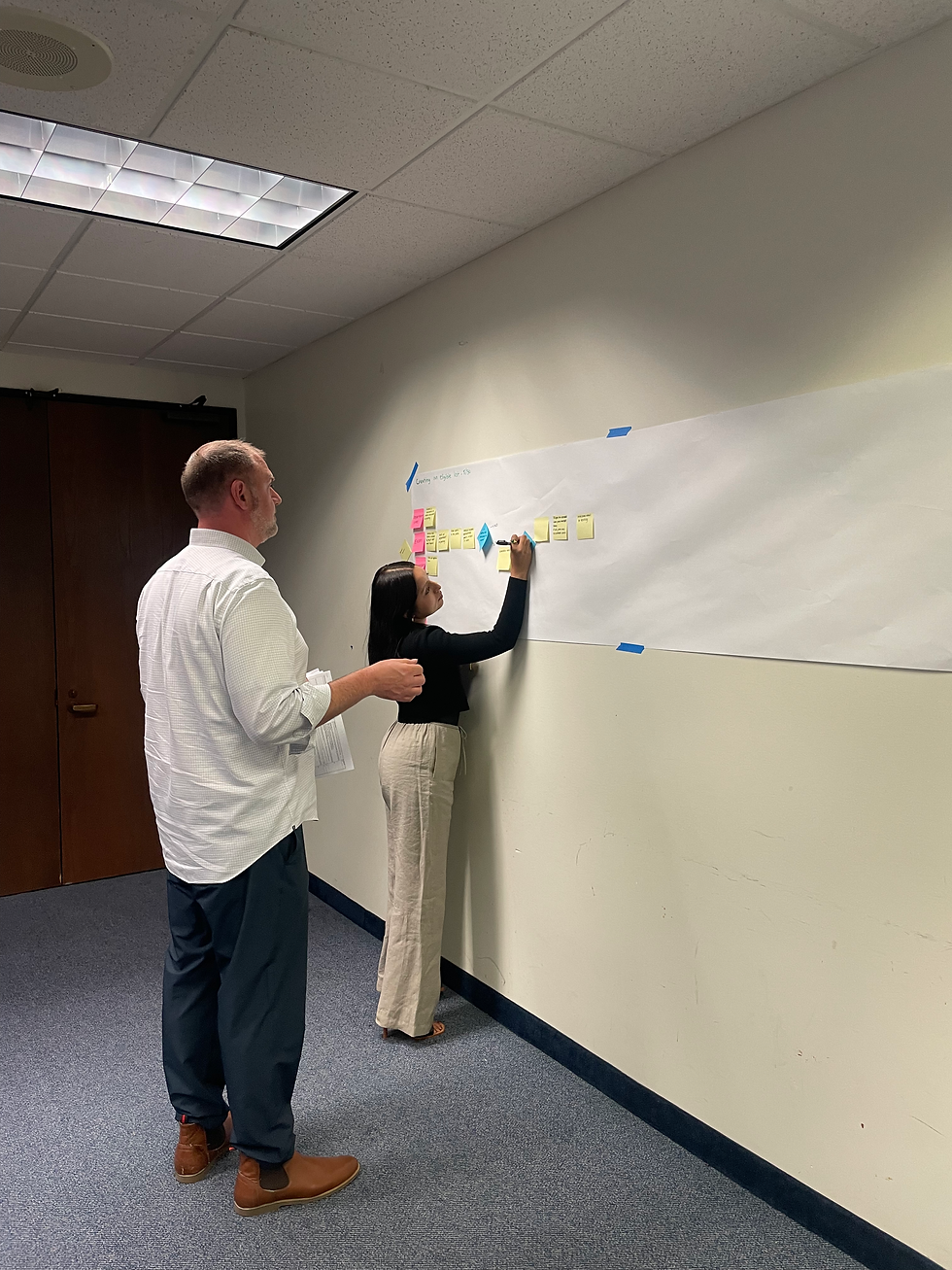
We reviewed program materials, mapped every step of the process, and ran a root-cause analysis to find where things were getting stuck. We also co-created a Stakeholder Value Exchange Map to understand how information, effort, and value were flowing and where they weren’t.

One reflection summed it up perfectly:
“There’s so much opportunity here if we can narrow down the connections and harness the mutual benefits.”
Opportunities and Bright Spots
From these conversations, several opportunities came into focus:
University Partnerships: Exploring collaborations with local universities to create pathways between degree programs and CGL certification.
Pam Miller Academy Credits: Expanding credit recognition so participants can enter the program halfway to completion.
Regional Collaborations: Partners like RGS and ILG expressed interest in supporting and strengthening CGL’s future.
Streamlined Course Offerings: Creating a predictable, cyclical course calendar with recurring instructors and partners to make participation easier.
The team wrapped up this phase with a co-created service blueprint, three quick wins, and two major projects for immediate action.

Solutions in Action
Quick Wins
Running Agenda for CGL Committee: One shared document to track actions and ensure continuity.
CGL Drive Cleanup: Archived outdated files and organized a consistent folder structure for easy access.
Onboarding Process: Centralized templates and navigation guides for both participants and committee members.
Major Projects
Consistent Criteria for Course Exemptions: A clear, fair system for evaluating courses and applicants, reducing debate and ensuring quality.

Published List of Approved Courses: A transparent, time-saving resource for participants and the committee alike.

Lessons Learned
Change can feel daunting when you’re buried under history and process debt. But with structure, facilitation, and a team of committed people, progress becomes possible.
PPI’s role wasn’t to hand over answers; it was to create clarity and accountability. By bringing a fresh, outside lens, we helped the CGL Committee cut through the noise and refocus on what mattered most.
The result? Clarity, efficiency, and renewed energy.
Most importantly, the CGL Committee now owns a program structure that works; one designed by them, for them, and for the local government leaders they’re helping to grow.

Comments